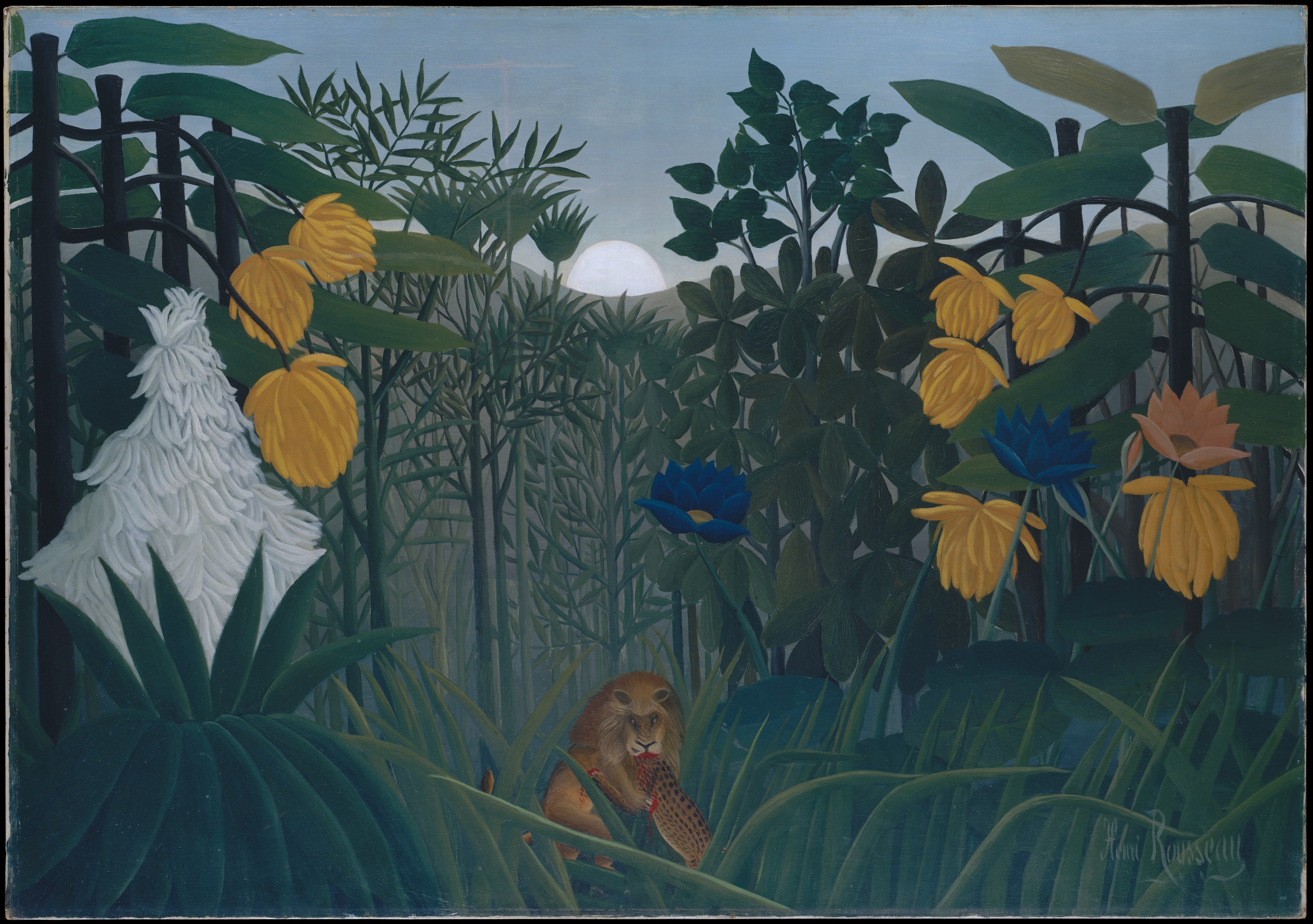
Since this is a blog about the history of art, one might assume a definition of art itself would be straightforward. It is not. In a way, art is whatever a society identifies as such, a status often given to finely crafted works of beauty, works of religious and historic significance, and even theoretical significance.
Works of art can include:
The definition of art can change quite dramatically over time, from culture to culture, and even between
individuals. A painted Greek vase, for example, was not considered valuable art by ancient Greek society.
Today, however, ancient Greek pottery can fetch millions of dollars and prized examples are housed in top museums
around the world.
Two friends might visit a contemporary art gallery and completely disagree about the “art” contained within.
The artist Marcel Duchamp
shocked the artworld when he submitted a porcelain urinal to an exhibition by the Society of Independent Artists in 1917.
While the work, titled Fountain, was rejected, it is considered to be a masterpiece of the avant-garde movement and represents a monumental shift in thinking about art in the twentieth century.
Anything is art, if an artist says it...
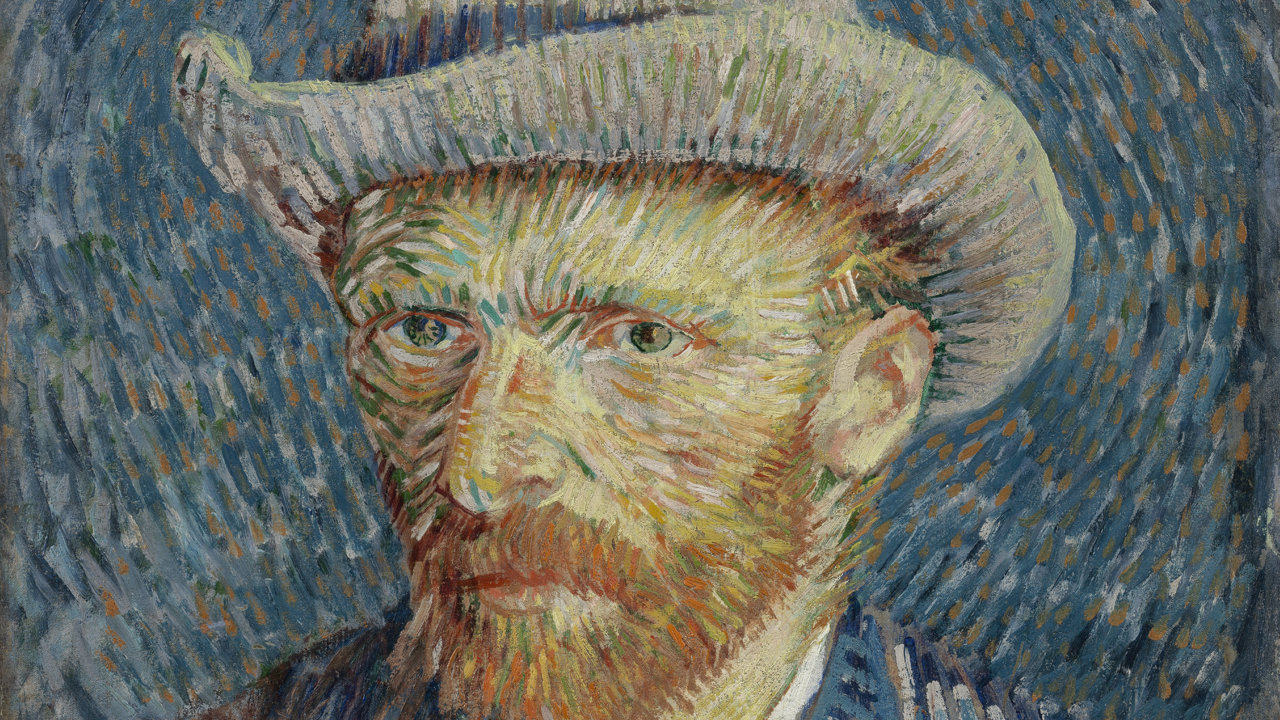
At the risk of being facetious, an artist is a person who makes art; however, just as the definition of “art” has changed over time, so have our definitions and expectations of artists. Traditionally, artists were craftsmen, or artisans. Medieval European sculptors, for example, were considered to be manual laborers. It was only after the Renaissance when cultural perceptions of artists began to change. Great masters such as Leonardo da Vinci and Diego Velázquez made a point of promoting the idea that an artist was much more than a manual laborer. They wanted to be acknowledged for their genius and special talent.
The idea of artist-as-genius continues to this day.
Art history is the academic study of visual art. Scholars of art history, often professors, writers, and museum or gallery professionals, are interested in the historical significance of art objects, as well as the meaning of both specific works, and the art produced by a particular culture or artist.
Art history is traditionally presented as a “survey,” which is Western in focus and explains art history in a narrative form, with a beginning, middle, and end. Canonical art history texts such as E.H. Gombrich’s The Story of Art and Janson’s History of Art carry onthis long-standing tradition. While still greatly valued, this narrative presentation of art history is coming under increasing scholarly scrutiny. Some colleges and universities no longer teach art history, and now offer programs in “Visual Studies” or “Visual Culture” with the goal of offering insights into the visual arts less constrained by the limitations of the Western-focused survey.
If you’ve gone to see a movie with a friend and argued about whether the film you both just saw was either good or bad, you are familiar with the foundations of art criticism. Your friend might believe The Matrix is a ground-breaking film with profound themes and solid acting, while you might completely disagree. When the arguing has continued for hours after the closing credits, it will perhaps become apparent that nothing you can say about the awkward romance or flashy graphics will convince your friend of your opinion. In the end, you agree to disagree. The same is true when 2 evaluating a work of art. When writing, critics think about the skill of the artist, technique, form, and meaning of a work, but in the end, everything is debatable. Duchamp’s urinal, Fountain, is not inherently good art or bad art. Some critics believe it is profound while others write it off as a stunt. Arguing about whether it is good or bad is not only part of the fun of art appreciation, but is an integral part of art historical scholarship.
Read More
While art historians are interested in the meaning of a work of art and its cultural and historical context, the job of the art critic is to evaluate—to decide whether or not a particular piece of art is “good” or “successful.” Generally, critics view art at galleries and museums, or in private collections, and they write their personal opinions about the art they see.
Like the definition of art itself, however, the definition of art criticism is murky at times, and James Elkins, a well-respected critic and scholar, raises questions about how the two are differentiated, noting that art historians, along with their art critic colleagues, are known to share their personal opinions as well.
| Era | Name |
|---|---|
| Acient | Mesopotamian |
| Egyptian | |
| African | |
| Asian | |
| Pre-Columbian | |
| Periods | Greek/Roman |
| Medieval | |
| Reinassance | |
| Baroque | |
| Neoclassical | |
| Movements | Modern Art |
| Contemporary Art |